The Rock of Gibraltar, a beacon at the entrance to the Mediterranean, is renowned for its strategic importance, stunning views, and unique natural beauty. But in 2027, this iconic landmark will also become a prime location for stargazers and astronomy enthusiasts hoping to ver eclipse Gibraltar – not just one, but two captivating celestial events. Mark your calendars, as the year promises both a penumbral lunar eclipse and a partial solar eclipse, offering rare opportunities to witness the dance of Earth, Moon, and Sun from this extraordinary British Overseas Territory.
The Celestial Spectacle of 2027: A Dual Eclipse Event Over Gibraltar
For those passionate about astronomy, or simply curious about the universe's grand displays, 2027 is shaping up to be an unforgettable year in Gibraltar. The convergence of a lunar and a solar eclipse within months of each other presents a unique chance to experience the subtle beauty of our cosmic neighborhood. These events, while distinct in their nature and viewing requirements, collectively underscore the dynamic ballet performed by celestial bodies.
First, the night sky on August 17, 2027, will host a penumbral lunar eclipse. This event, often more subtle than its total or partial counterparts, requires keen observation but rewards patient viewers with a unique spectacle. Then, just a few months later, the daytime sky will offer a more dramatic show with a partial solar eclipse on February 6, 2027. Each eclipse offers a different perspective on our place in the cosmos, and both are set to be visible from various vantage points across Gibraltar, making it an ideal destination for those eager to ver eclipse Gibraltar.
Witnessing the Penumbral Lunar Eclipse on August 17, 2027
A lunar eclipse occurs when the Earth passes directly between the Moon and the Sun, casting a shadow on the Moon. On August 17, 2027, Gibraltar will be privy to a penumbral lunar eclipse. Unlike a total or partial lunar eclipse where the Moon enters the Earth's darker, central shadow (the umbra), a penumbral eclipse sees the Moon only pass through the Earth's fainter, outer shadow, known as the penumbra.
What does this mean for viewers? The Moon won't turn a dramatic blood-red or have a distinct "bite" taken out of it. Instead, you'll observe a more delicate phenomenon: a subtle dimming or shading on one side of the lunar disk. The Moon might appear slightly dusky, less bright, or even take on a faint brownish tint, particularly at the peak of the eclipse. This subtlety makes penumbral eclipses a rewarding challenge for observers, demanding a clear night sky and an attentive eye.
Tips for Viewing the Penumbral Lunar Eclipse:
- Find Dark Skies: While Gibraltar offers fantastic views, try to move away from bright city lights to enhance contrast. Europa Point, with its open sea views, could be an excellent location.
- Naked Eye Observation: A penumbral eclipse is visible with the naked eye, but binoculars can significantly enhance the experience, allowing you to discern the subtle shading more clearly.
- Patience is Key: The change is gradual. Observe the Moon over an extended period to notice the subtle darkening and lightening.
- Photography: If you're into astrophotography, a tripod-mounted camera with a decent telephoto lens can capture the nuances of the penumbral shadow. Long exposures might be required.
As the Moon rises or sets over the iconic silhouette of the Rock, seeing this subtle shift will be a truly unique experience for those planning to ver eclipse Gibraltar.
Experiencing the Partial Solar Eclipse on February 6, 2027
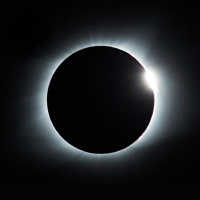
Just a few months later, the celestial spotlight shifts to the daytime sky. On February 6, 2027, Gibraltar will be in a prime position to observe a partial solar eclipse. A solar eclipse occurs when the Moon passes between the Sun and Earth, blocking all or part of the Sun's light. In a partial solar eclipse, the Moon only covers a portion of the Sun, creating the appearance of a crescent Sun or a "bite" taken out of its disk.
This event promises a more visually dramatic spectacle than the penumbral lunar eclipse, but it comes with a critical caveat: eye safety is paramount. Looking directly at the Sun, even during a partial eclipse, can cause permanent eye damage or blindness. Never attempt to view a solar eclipse without proper protection.
Essential Safety and Viewing Tips for the Partial Solar Eclipse:
- ISO-Certified Solar Glasses: These are non-negotiable. Ensure your glasses are ISO 12312-2 international safety standard compliant. Do NOT use regular sunglasses, smoked glass, or unfiltered camera lenses.
- Pinhole Projector: A safe and easy DIY method is to create a pinhole projector. You can project the Sun's image onto a surface without looking directly at it.
- Telescopes/Binoculars with Solar Filters: If using optical aid, it MUST be equipped with a certified solar filter specifically designed for solar viewing and fitted securely over the front of the objective lens. Never use eyepiece filters, as they can crack from the concentrated heat.
- Find an Open Vantage Point: Choose a location with an unobstructed view of the Sun's path. The higher reaches of the Rock or coastal areas would be ideal to ver eclipse Gibraltar.
- Community Viewing: Check if local astronomy clubs or scientific institutions in Gibraltar will be hosting public viewing events, as they often provide safe viewing equipment and expert guidance.
Imagine the daytime sky transforming as the Moon carves a crescent out of the Sun, a truly awe-inspiring sight that underscores the immense scale of our solar system.
Essential Tips for Eclipse Chasers in Gibraltar
To make the most of these once-in-a-lifetime opportunities to ver eclipse Gibraltar, thoughtful planning and preparation are essential. Both eclipses offer different challenges and rewards, but some general advice applies to both celestial events:
- Check Local Times: While the dates are set, the exact timings (start, peak, and end) are crucial. As the dates draw closer, consult reliable astronomical sources for precise local times in Gibraltar. These details will determine when you need to be at your viewing spot and for how long.
- Weather Watch: Clear skies are paramount for eclipse viewing. Keep a close eye on weather forecasts in the days leading up to August 17 and February 6. Gibraltar's weather can be unpredictable, so be prepared for potential cloud cover, though both months generally offer good chances for clear skies.
- Scout Your Location: For the lunar eclipse, prioritize dark skies away from light pollution. For the solar eclipse, an unobstructed view of the sun is key. Popular spots like Europa Point, the Great Siege Tunnels area, or even higher up the Rock could offer superb vistas. Arrive early to secure your preferred spot.
- Bring Comforts: Depending on the duration of the eclipse and the time of day, consider bringing a comfortable chair, snacks, water, and appropriate clothing. For the lunar eclipse, a blanket might be welcome given the night-time viewing.
- Engage with Local Experts: Reach out to local astronomy enthusiasts or groups in Gibraltar. They often have invaluable local knowledge, viewing tips, and may even organize public events.
For a deeper dive into optimal viewing techniques and specific gear recommendations, be sure to consult our detailed guide: How to See the 2027 Eclipses in Gibraltar: Lunar & Solar. And to ensure you mark your calendars correctly and understand the full scope of these events, refer to our comprehensive overview: Gibraltar's 2027 Eclipses: Penumbral Lunar & Partial Solar Dates.
Whether you're a seasoned astronomer or a casual sky-watcher, these two eclipses offer a fantastic opportunity to connect with the cosmos from one of the most unique locations on Earth.
Conclusion: An Unforgettable Year for Stargazing in Gibraltar
The year 2027 stands out as a remarkable period for celestial observation in Gibraltar, presenting a rare dual opportunity to ver eclipse Gibraltar. From the subtle artistry of the penumbral lunar eclipse in August to the dramatic visual impact of the partial solar eclipse in February, these events invite us to pause, look up, and marvel at the predictable yet profound mechanics of our solar system. Planning ahead, prioritizing safety, and choosing the right vantage point will ensure you have an unforgettable experience. Prepare your viewing gear, gather your fellow enthusiasts, and get ready to witness two of nature's most spectacular shows against the backdrop of the majestic Rock of Gibraltar.